
The allure of pre-owned musical instruments lies not only in their affordability but also in the unique stories they carry. Each instrument has its own history, often reflecting the musical journeys of previous owners. This history can add a layer of character and charm that new instruments may lack.
For many musicians, the idea of playing an instrument that has been part of someone else’s creative expression can be incredibly appealing. Additionally, pre-owned instruments often come at a fraction of the cost of new ones, making them accessible to a wider range of musicians, from beginners to seasoned professionals. This affordability allows musicians to invest in higher-quality instruments that might otherwise be out of reach, enhancing their overall playing experience.
Moreover, the market for pre-owned musical instruments is rich and diverse, offering a plethora of options across various brands and styles. Vintage instruments, in particular, can hold significant value due to their craftsmanship and the materials used in their construction. Collectors and musicians alike often seek out these vintage pieces for their unique sound qualities and aesthetic appeal.
Understanding the value of pre-owned instruments also involves recognizing the potential for appreciation over time. Certain models, especially those from renowned manufacturers or limited editions, can increase in value as they age, making them not just a purchase but an investment. Thus, the value of pre-owned musical instruments extends beyond mere monetary considerations; it encompasses emotional connections, historical significance, and potential future worth.
Key Takeaways
- Pre-owned musical instruments can offer great value and quality at a lower price compared to new ones.
- Research the market to understand the average price range for the specific pre-owned musical instrument you are interested in.
- Carefully evaluate the condition of the pre-owned musical instrument, including any signs of wear and tear or damage.
- Negotiate the price based on the condition of the instrument and the market value, but be respectful and reasonable in your approach.
- Check for authenticity and provenance to ensure the pre-owned musical instrument is genuine and has a reliable history.
Researching the Market for Pre-Owned Musical Instruments
Before diving into the world of pre-owned musical instruments, thorough research is essential to make informed decisions. The first step is to familiarize oneself with various brands and models that align with personal preferences and playing styles. Online platforms, music forums, and social media groups dedicated to musicians can provide valuable insights into current trends and popular choices among players.
Additionally, visiting local music stores and attending instrument fairs can offer hands-on experience with different instruments, allowing potential buyers to assess their feel and sound quality firsthand. This research phase is crucial for understanding what constitutes a fair price for specific models and identifying reputable sellers. Furthermore, exploring online marketplaces can yield a wealth of options for pre-owned instruments.
Websites such as Reverb, eBay, and Craigslist often feature listings from both individuals and music shops. However, it is important to approach these platforms with caution. Reading reviews and seller ratings can help gauge reliability and trustworthiness.
Additionally, joining local musician communities can provide recommendations for reputable sellers or shops that specialize in pre-owned instruments. By conducting comprehensive research, buyers can not only find the right instrument but also ensure they are making a sound investment that meets their musical needs.
Evaluating the Condition of Pre-Owned Musical Instruments
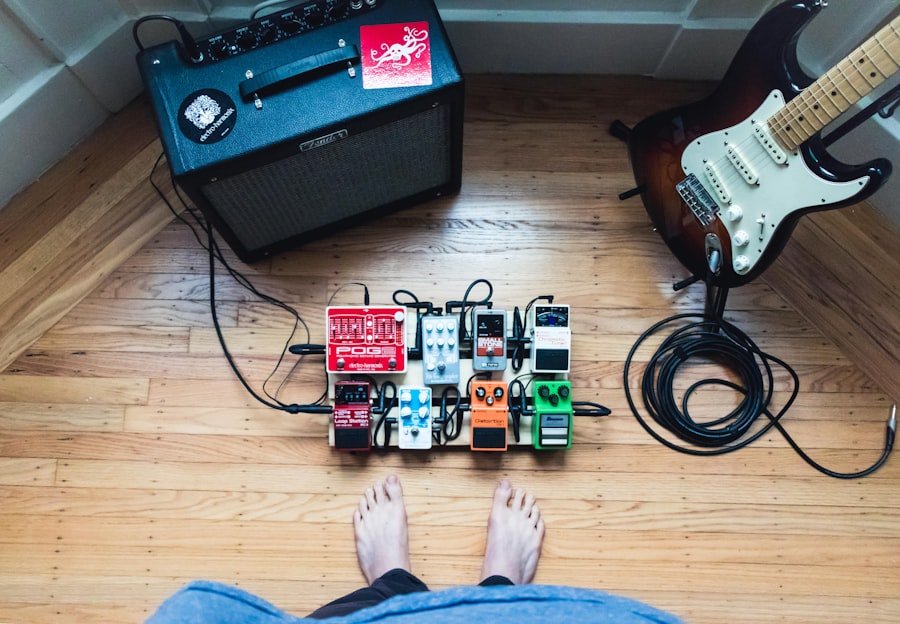
When considering a pre-owned musical instrument, evaluating its condition is paramount to ensuring a worthwhile purchase. A thorough inspection should begin with a visual assessment of the instrument’s exterior. For string instruments, this includes checking for cracks in the body, wear on the fingerboard, and the condition of the strings.
Wind instruments should be examined for dents or corrosion, while electronic instruments should be tested for functionality and sound quality. It is also advisable to look for any signs of repairs or modifications that may affect the instrument’s performance or value. A well-maintained instrument not only sounds better but also offers greater longevity, making it a more prudent investment.
In addition to visual inspection, prospective buyers should consider playing the instrument to assess its sound quality and playability. This hands-on approach allows musicians to determine if the instrument meets their expectations in terms of tone and responsiveness. If possible, bringing along a knowledgeable friend or a music teacher can provide additional insights during this evaluation process.
Furthermore, asking the seller about the instrument’s history—such as how often it was played and whether it has undergone any maintenance—can offer valuable context regarding its condition. Ultimately, taking the time to thoroughly evaluate a pre-owned instrument can prevent future disappointments and ensure that the chosen piece aligns with the buyer’s musical aspirations.
Negotiating the Price of Pre-Owned Musical Instruments
| Instrument Type | Average Asking Price | Typical Negotiated Price | Percentage Discount |
|---|---|---|---|
| Guitar | 500 | 450 | 10% |
| Drums | 800 | 700 | 12.5% |
| Keyboard | 300 | 250 | 16.7% |
Negotiating the price of pre-owned musical instruments can be a delicate yet rewarding process. Understanding the market value of similar instruments is crucial before entering negotiations. Armed with this knowledge, buyers can confidently present their case for a lower price if they identify any flaws or issues during their evaluation of the instrument.
It is important to approach negotiations with respect and professionalism; after all, both parties are seeking a fair outcome. Expressing genuine interest in the instrument while also being transparent about budget constraints can foster a positive dialogue between buyer and seller. Additionally, timing can play a significant role in negotiations.
Sellers may be more willing to lower their prices if they have had an instrument listed for an extended period or if they are eager to make a sale quickly. Being patient and waiting for the right moment can lead to better deals. Moreover, offering to pay in cash can sometimes incentivize sellers to negotiate more favorably, as it eliminates transaction fees associated with credit card payments or online platforms.
Ultimately, successful negotiation hinges on clear communication and mutual respect, allowing both parties to feel satisfied with the final agreement.
Checking for Authenticity and Provenance of Pre-Owned Musical Instruments
Ensuring the authenticity and provenance of pre-owned musical instruments is essential for protecting one’s investment and ensuring quality. Many high-end brands have specific markings or serial numbers that can be verified through official channels or manufacturer databases. Buyers should take the time to research these identifiers before making a purchase.
Additionally, reputable sellers often provide documentation or certificates of authenticity that confirm an instrument’s origin and history. This documentation not only adds value but also provides peace of mind regarding the instrument’s legitimacy. Provenance goes beyond mere authenticity; it encompasses the instrument’s journey through time and ownership.
Instruments with notable histories—such as having been owned by famous musicians or used in significant recordings—can carry additional value for collectors and enthusiasts alike. When purchasing from private sellers or less established shops, asking about an instrument’s previous ownership can yield fascinating stories that enhance its appeal. In some cases, sellers may even have photographs or anecdotes that further establish an instrument’s provenance.
By thoroughly checking for authenticity and understanding an instrument’s history, buyers can make informed decisions that resonate with their personal values as musicians.
Understanding the Return Policy and Warranty for Pre-Owned Musical Instruments
Before finalizing a purchase of a pre-owned musical instrument, it is crucial to understand the return policy and warranty options available from the seller. Unlike new instruments that often come with manufacturer warranties, pre-owned items may have different terms regarding returns or exchanges. Buyers should inquire about how long they have to return an instrument if it does not meet their expectations or if any issues arise shortly after purchase.
A clear return policy provides reassurance that if something goes wrong or if the instrument does not suit their needs, they have recourse. In addition to return policies, some sellers may offer limited warranties on pre-owned instruments, particularly if they are sold through established music shops or dealers. These warranties can cover specific repairs or defects that may occur within a certain timeframe after purchase.
Understanding what is covered under warranty—such as parts or labor—can significantly impact a buyer’s decision-making process. It is advisable to read all terms carefully and ask questions if anything is unclear before completing the transaction. By being well-informed about return policies and warranty options, buyers can protect themselves against potential pitfalls associated with purchasing pre-owned musical instruments.
Tips for Maintaining and Caring for Pre-Owned Musical Instruments
Once a pre-owned musical instrument has been acquired, proper maintenance becomes essential to ensure its longevity and optimal performance. Regular cleaning is one of the most important aspects of care; dust and grime can accumulate over time, affecting both appearance and sound quality. For string instruments, wiping down strings after each use helps prevent corrosion and extends their lifespan.
Wind instruments require careful cleaning of mouthpieces and pads to maintain hygiene and functionality. Electronic instruments should be kept free from dust buildup by using appropriate covers when not in use. Establishing a routine maintenance schedule can help keep an instrument in peak condition.
In addition to cleaning, environmental factors play a significant role in preserving pre-owned musical instruments. Humidity levels should be monitored closely; excessive moisture can lead to warping or mold growth in wooden instruments, while overly dry conditions can cause cracking or splitting. Using humidifiers or dehumidifiers in practice spaces can help regulate these levels effectively.
Furthermore, storing instruments in protective cases when not in use provides an extra layer of protection against accidental damage or environmental fluctuations. By adopting these maintenance practices, musicians can ensure that their pre-owned instruments remain in excellent condition for years to come.
Finalizing the Purchase of Pre-Owned Musical Instruments at Pawn Shops
Purchasing pre-owned musical instruments from pawn shops can be an exciting yet challenging experience due to the unique nature of these establishments. Pawn shops often offer a wide variety of instruments at competitive prices; however, buyers should approach these transactions with caution and diligence. Before finalizing any purchase, it is essential to conduct thorough research on both the specific instrument being considered and the pawn shop itself.
Understanding market values will empower buyers during negotiations while ensuring they do not overpay for an item. When finalizing a purchase at a pawn shop, it is advisable to inspect the instrument carefully before completing the transaction. Many pawn shops allow customers to test instruments on-site; taking advantage of this opportunity can help assess playability and sound quality firsthand.
Additionally, asking about any available warranties or return policies is crucial since pawn shops may have different terms compared to traditional retailers. Once satisfied with both the condition of the instrument and the terms of sale, buyers should feel confident moving forward with their purchase. By following these guidelines when buying from pawn shops, musicians can discover hidden gems while ensuring they make informed decisions that align with their musical aspirations.
If you’re considering the purchase of pre-owned musical instruments from pawn shops, it’s also beneficial to understand the process of pawning items, as this can give you insight into how items are valued and what condition they may be in when sold. A helpful resource to learn more about this is the article “What to Do if You’re Considering Pawning an Item.” This guide provides essential information on how pawn shops operate, which can be crucial when you’re on the buying side of the counter. You can read more about it by visiting What to Do if You’re Considering Pawning an Item.

 العربية
 English
 Español
 Español de México
 Español de Colombia
 简体中文
 Tagalog
 Tiếng Việt
 Français
 한국어
 Русский
 Português do Brasil
 हिन्दी
 Deutsch
 Polski
