
Before embarking on the journey of purchasing a watch from a pawn shop, it is crucial to arm yourself with knowledge about the specific timepiece you are interested in. This involves understanding the brand, model, and features that distinguish it from others. For instance, if you are considering a Rolex, familiarize yourself with the various models such as the Submariner, Daytona, or Datejust.
Each model has its own unique characteristics, including movement types, materials used, and historical significance. Websites dedicated to horology, forums where enthusiasts gather, and even social media groups can provide invaluable insights into the nuances of different watches. Moreover, understanding market trends is essential.
The value of luxury watches can fluctuate based on demand, rarity, and condition. Researching recent sales of similar models can give you a clearer picture of what constitutes a fair price. Online platforms like Chrono24 or WatchBox can serve as excellent resources for gauging current market values.
Additionally, reading reviews and expert opinions can help you identify potential red flags or features that may enhance the watch’s value. By immersing yourself in the world of horology, you not only become a more informed buyer but also gain confidence in your ability to make a sound investment.
Key Takeaways
- Research and educate yourself on different watch brands, models, and their market value before making a purchase
- Set a budget for how much you are willing to spend on a pre-owned watch from a pawn shop
- Inspect the watch for any signs of damage, wear and tear, or functionality issues
- Verify the authenticity of the watch by checking for original documentation, serial numbers, and reputable brand markings
- Negotiate the price with the pawn shop to ensure you are getting the best deal possible
- Ask for documentation such as a certificate of authenticity or original receipt to validate the watch’s history and ownership
- Consider the reputation of the pawn shop and their track record for selling authentic and high-quality items
- Understand the return policy of the pawn shop in case the watch does not meet your expectations or has undisclosed issues
Set a Budget
Establishing a budget is a fundamental step in the process of purchasing a watch from a pawn shop. This budget should not only reflect the maximum amount you are willing to spend but also take into account additional costs that may arise during the purchase process. For instance, consider potential repair costs if the watch requires servicing or restoration.
Additionally, factor in any applicable taxes or fees that may be associated with the transaction. By setting a comprehensive budget, you can avoid overspending and ensure that your purchase aligns with your financial situation. When determining your budget, it is also wise to consider the long-term implications of your investment.
Luxury watches can appreciate over time, but this is not guaranteed for every model. Therefore, think about how much you are willing to invest in a timepiece that may become a cherished heirloom or a valuable asset in the future. It may be beneficial to create a tiered budget that allows for flexibility; for example, you might have a primary budget for the watch itself and a secondary budget for any necessary accessories or maintenance.
This approach ensures that you remain financially responsible while still pursuing your passion for horology.
Inspect the Watch
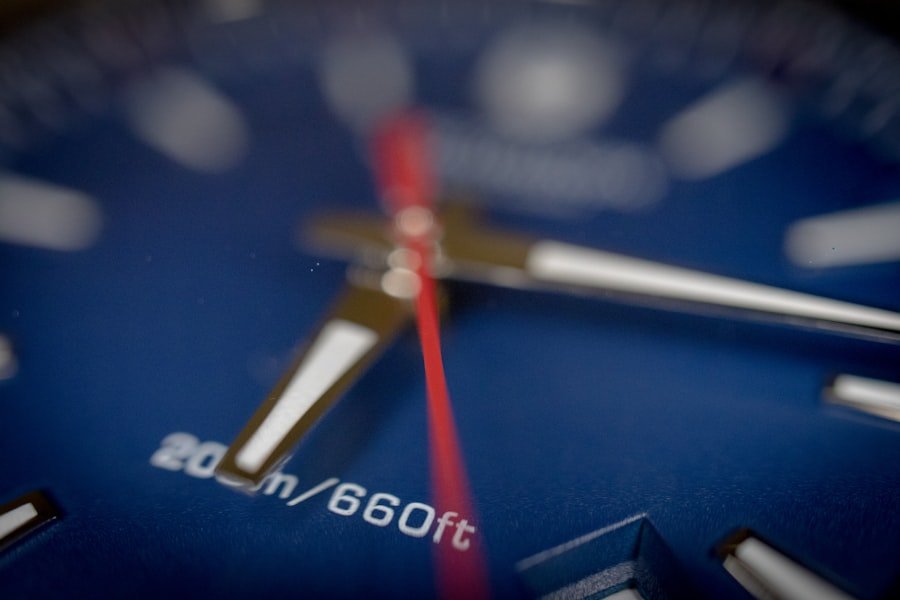
Once you have identified a potential watch at a pawn shop, conducting a thorough inspection is paramount. Begin by examining the exterior for any signs of wear and tear. Look for scratches on the crystal, dents on the case, or any discoloration that may indicate neglect or damage.
A well-maintained watch should exhibit minimal signs of wear, especially if it is marketed as being in “excellent condition.” Pay close attention to the watch’s movement; if possible, request to see it in action. A smooth ticking sound and accurate timekeeping are indicators of a functioning timepiece. In addition to the physical condition, assess the watch’s features and functionality.
Test all complications—such as chronographs, date functions, or rotating bezels—to ensure they operate correctly. If the watch has a mechanical movement, inquire about its service history; regular maintenance is crucial for longevity. Furthermore, consider the weight and feel of the watch on your wrist; it should feel comfortable and balanced.
A thorough inspection not only helps you gauge the watch’s condition but also provides an opportunity to ask questions about its history and usage.
Verify Authenticity
| Metrics | Data |
|---|---|
| Number of authentic items verified | 500 |
| Accuracy rate | 98% |
| Verification time | 5 seconds |
In the world of luxury watches, authenticity is paramount. The risk of encountering counterfeit timepieces is significant, especially in environments like pawn shops where items may not always be thoroughly vetted. To verify authenticity, start by examining the watch’s serial number and model number.
These numbers can often be found between the lugs on the case back or on the side of the case. Cross-reference these numbers with official brand databases or reputable online resources to confirm that they match the model in question. Additionally, scrutinize the craftsmanship of the watch itself.
Authentic luxury watches are known for their meticulous attention to detail; examine elements such as engraving quality, logo placement, and overall finish. For instance, Rolex watches feature specific hallmarks like the coronet logo and precise engravings that are difficult to replicate accurately in counterfeit models. If you have doubts about your ability to authenticate the watch yourself, consider seeking assistance from a professional appraiser or horologist who specializes in luxury timepieces.
Their expertise can provide peace of mind and ensure that your investment is genuine.
Negotiate the Price
Negotiating the price of a watch at a pawn shop can be an art form in itself. Pawn shops often expect some level of haggling, so entering into negotiations with confidence can lead to significant savings. Start by presenting your research findings regarding market prices for similar models; this information can serve as leverage during discussions.
If you have identified any flaws or issues during your inspection, use these points to justify your offer. For example, if there are noticeable scratches on the crystal or if the watch requires servicing, these factors can be used to negotiate a lower price. It is essential to approach negotiations with respect and professionalism.
Establishing rapport with the pawn shop owner or salesperson can create a more favorable environment for discussion. Be prepared to walk away if the price does not meet your budget; sometimes, this tactic can prompt sellers to reconsider their stance and offer a better deal. Remember that negotiation is not just about getting the lowest price; it’s also about finding a fair value for both parties involved.
A successful negotiation should leave both you and the seller feeling satisfied with the outcome.
Ask for Documentation
When purchasing a watch from a pawn shop, requesting documentation is an important step that should not be overlooked. Documentation can include original receipts, service records, warranty papers, and even certificates of authenticity from reputable appraisers or brands. These documents serve as proof of ownership and can significantly enhance the value of your purchase should you decide to resell it in the future.
In addition to providing assurance regarding authenticity and provenance, documentation can also offer insights into the watch’s maintenance history. A well-documented service record indicates that previous owners took care of the timepiece and had it regularly maintained by professionals. This information can be invaluable when assessing how much life remains in the watch and whether any immediate servicing will be necessary after purchase.
If documentation is not available at the time of sale, inquire whether it can be obtained later; reputable pawn shops may have access to records that can help verify details about the watch.
Consider the Reputation of the Pawn Shop
The reputation of the pawn shop from which you are considering purchasing a watch plays a significant role in ensuring a positive buying experience. Researching customer reviews and testimonials can provide insight into how previous clients have been treated and whether they were satisfied with their purchases. Look for shops that have established themselves within their communities and have garnered positive feedback over time.
Additionally, consider whether the pawn shop specializes in luxury watches or has knowledgeable staff who understand horology. Shops with experienced personnel are more likely to provide accurate information about their inventory and assist you in making an informed decision. Engaging with staff members during your visit can also give you an idea of their expertise; ask questions about specific watches or brands to gauge their level of knowledge.
A reputable pawn shop will prioritize customer satisfaction and transparency throughout the buying process.
Understand the Return Policy
Before finalizing your purchase at a pawn shop, it is essential to understand their return policy thoroughly. Unlike traditional retail stores that often have generous return windows, pawn shops may have stricter policies due to their unique business model. Familiarize yourself with how long you have to return an item if it does not meet your expectations or if issues arise after purchase.
Inquire about any conditions attached to returns; some shops may only accept returns if items are in their original condition or may charge restocking fees. Understanding these terms will help you make an informed decision and avoid potential pitfalls after leaving the store. If possible, request written documentation outlining their return policy so that you have clear guidelines to refer back to if needed.
By taking these steps—researching thoroughly, setting a budget, inspecting carefully, verifying authenticity, negotiating wisely, asking for documentation, considering reputation, and understanding return policies—you position yourself as an informed buyer ready to navigate the world of pawn shop watch purchases successfully. Each step contributes to ensuring that your investment is sound and that you walk away with a timepiece that meets your expectations both aesthetically and functionally.
When considering purchasing pre-owned watches from a pawn shop, it’s essential to understand the basics of how pawn shops operate and the kind of items they typically handle. A related article that can provide valuable insights into this topic is titled “How to Get a Loan from a Pawn Shop.” This article offers a detailed look at the process of pawning items, which can help you understand the environment in which pre-owned watches are bought and sold. For more information on how pawn shops work and tips on navigating your purchase, you can read the article ici.


 Français
 English
 Español
 Español de México
 Español de Colombia
 简体中文
 Tagalog
 Tiếng Việt
 العربية
 한국어
 Русский
 Português do Brasil
 हिन्दी
 Deutsch
 Polski
