
The history of luxury watches and designer goods is a fascinating journey that intertwines craftsmanship, artistry, and innovation. The origins of luxury timepieces can be traced back to the 16th century when watchmakers in Europe began creating intricate mechanical devices that not only told time but also showcased the skill and creativity of their makers. Over the centuries, these timepieces evolved from simple tools into symbols of status and wealth.
The introduction of the pocket watch in the 17th century marked a significant turning point, as it allowed individuals to carry their timepieces with them, further embedding watches into the fabric of society. As the Industrial Revolution took hold in the 19th century, the production of luxury watches became more refined, with brands like Patek Philippe and Audemars Piguet emerging as leaders in horological excellence. The 20th century saw the rise of wristwatches, which quickly became the preferred choice for both men and women.
Iconic designs such as the Rolex Submariner and the Omega Speedmaster not only revolutionized watchmaking but also set the standard for luxury timepieces. Similarly, designer goods began to flourish during this period, with fashion houses like Louis Vuitton and Chanel establishing themselves as purveyors of high-quality leather goods, clothing, and accessories.
Key Takeaways
- Luxury watches and designer goods have a rich history and have evolved over time to become status symbols and investment pieces.
- Top luxury watch brands like Rolex, Patek Philippe, and Audemars Piguet are known for their iconic designs and craftsmanship.
- Spotting a fake luxury watch or designer good requires attention to detail, such as examining the logo, materials, and movement.
- Caring for and maintaining a luxury watch involves regular servicing, proper storage, and avoiding exposure to extreme conditions.
- Collecting luxury watches and designer goods is an art that involves research, networking, and a passion for craftsmanship and design.
- Luxury watches and designer goods play a significant role in fashion and style, often serving as statement pieces and accessories.
- Investing in luxury watches and designer goods requires knowledge of market trends, authenticity, and the potential for appreciation in value.
- The future of luxury watches and designer goods is marked by trends such as sustainability, technological innovations, and a focus on heritage and storytelling.
The Top Luxury Watch Brands and their Iconic Designs
When discussing luxury watches, certain brands stand out due to their rich heritage and iconic designs. Rolex, perhaps the most recognized name in luxury timepieces, has become synonymous with success and prestige. The Rolex Submariner, with its robust design and water resistance, is a favorite among divers and watch enthusiasts alike.
Another notable brand is Patek Philippe, revered for its intricate complications and timeless elegance. The Patek Philippe Nautilus, with its distinctive octagonal bezel and integrated bracelet, has become a symbol of luxury sports watches. Other brands like Audemars Piguet and Omega have also made significant contributions to the world of horology.
Audemars Piguet’s Royal Oak, designed by Gerald Genta in 1972, broke conventions with its bold octagonal case and integrated bracelet, paving the way for luxury sports watches. Meanwhile, Omega’s Speedmaster gained fame as the first watch worn on the moon during the Apollo 11 mission, solidifying its place in history. Each of these brands not only offers exceptional craftsmanship but also tells a story through their designs, making them highly sought after by collectors and enthusiasts.
How to Spot a Fake Luxury Watch or Designer Good
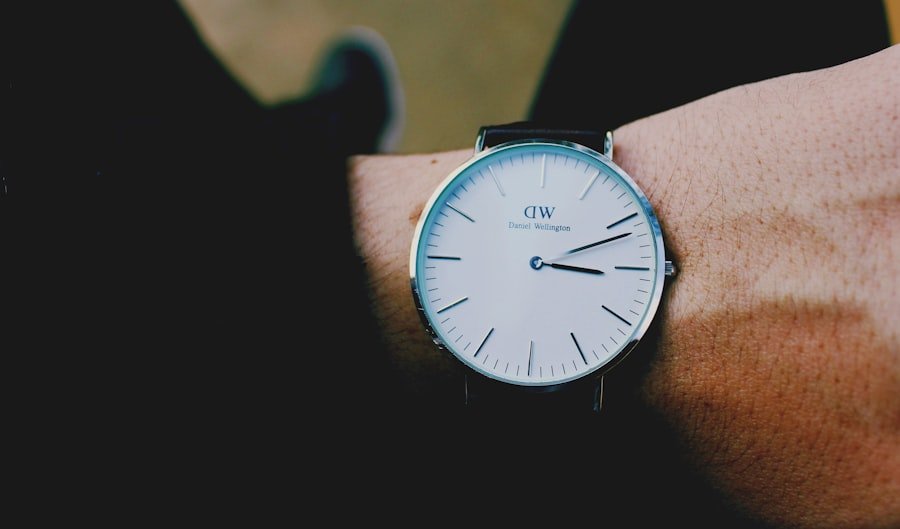
In an age where counterfeit products are increasingly sophisticated, knowing how to spot a fake luxury watch or designer good is essential for any discerning buyer. One of the first steps is to examine the craftsmanship closely. Authentic luxury items are meticulously crafted with attention to detail; any signs of poor workmanship, such as uneven stitching or misaligned logos, can indicate a counterfeit.
Counterfeit products are a significant issue that the FBI investigates. Additionally, genuine luxury watches often have specific engravings or markings that are difficult to replicate. Researching these details beforehand can help buyers identify fakes.
Another critical factor to consider is the price. If a deal seems too good to be true, it probably is. Luxury watches and designer goods come with a price tag that reflects their quality and brand reputation.
If you encounter a product being sold at a fraction of its retail price, exercise caution. Furthermore, purchasing from reputable dealers or authorized retailers can significantly reduce the risk of acquiring counterfeit items. Always ask for documentation or certificates of authenticity when making a purchase; this not only provides peace of mind but also adds value to your investment.
The Ultimate Guide to Caring for and Maintaining Your Luxury Watch
| Topic | Metrics |
|---|---|
| Cleaning | Frequency: Once a month |
| Storage | Ideal conditions: Low humidity and stable temperature |
| Service | Recommended: Every 3-5 years |
| Water Resistance | Check: Every 12 months |
| Strap Care | Replace: Every 6-12 months |
Caring for and maintaining your luxury watch is crucial to preserving its beauty and functionality over time.
During a service, a professional will clean the movement, replace worn parts, and ensure that the watch is functioning correctly.
This proactive approach can prevent minor issues from escalating into costly repairs. In addition to professional servicing, proper daily care is vital. Avoid exposing your watch to extreme temperatures or magnetic fields, as these can affect its accuracy.
When not wearing your watch, store it in a cool, dry place away from direct sunlight. For automatic watches, consider investing in a watch winder to keep the movement running smoothly when not in use. Regularly cleaning your watch with a soft cloth can also help maintain its luster and remove any dirt or oils that may accumulate over time.
The Art of Collecting Luxury Watches and Designer Goods
Collecting luxury watches and designer goods is not just a hobby; it’s an art form that requires knowledge, passion, and dedication. Many collectors start by focusing on specific brands or styles that resonate with them personally. This could be anything from vintage timepieces to modern limited editions or even specific categories like dive watches or dress watches.
Understanding the history and significance of each piece can enhance the collecting experience and provide context for future acquisitions. Networking with other collectors can also be invaluable in this journey. Joining forums or attending watch shows allows enthusiasts to share insights, trade pieces, and learn from one another’s experiences.
Additionally, keeping abreast of market trends can help collectors make informed decisions about their investments. As with any collection, patience is key; building a curated selection takes time and careful consideration. Ultimately, collecting luxury watches and designer goods is about more than just ownership; it’s about appreciating craftsmanship and celebrating the stories behind each piece.
The Role of Luxury Watches and Designer Goods in Fashion and Style
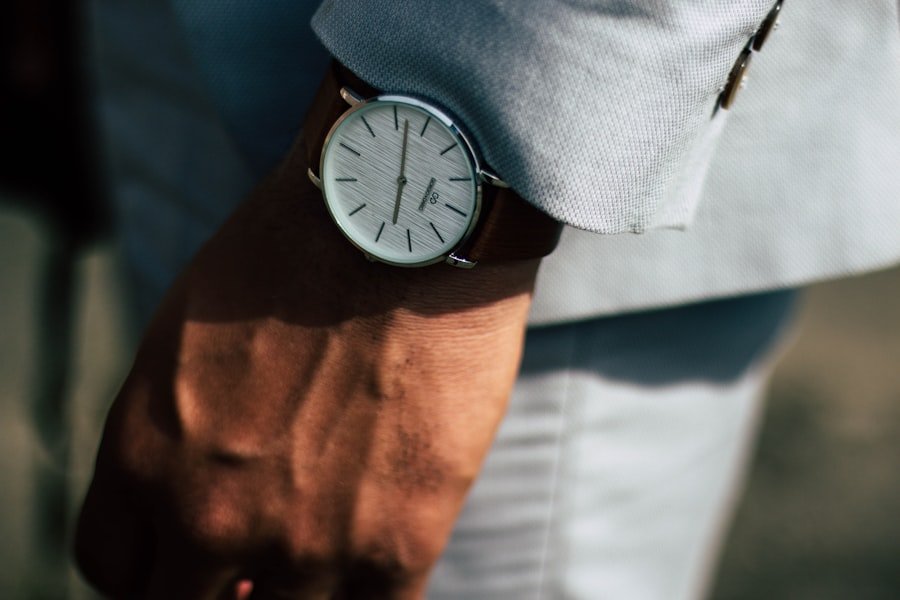
Luxury watches and designer goods play a significant role in fashion and personal style, serving as both functional accessories and status symbols. A well-chosen watch can elevate an outfit from ordinary to extraordinary, making it an essential component of any wardrobe. For instance, pairing a classic dress watch with formal attire exudes sophistication, while a sporty chronograph complements casual wear perfectly.
The versatility of luxury timepieces allows individuals to express their unique style while making a statement about their taste. Designer goods also contribute significantly to fashion trends. High-end handbags, shoes, and clothing often set the tone for seasonal styles seen on runways around the world.
Fashion icons like Coco Chanel and Karl Lagerfeld have shaped not only their brands but also broader fashion movements that continue to influence contemporary design. As consumers increasingly seek authenticity in their fashion choices, luxury brands that emphasize craftsmanship and heritage are gaining traction among discerning shoppers who value quality over quantity.
Investing in Luxury Watches and Designer Goods: What You Need to Know
Investing in luxury watches and designer goods can be both rewarding and complex. Unlike traditional investments such as stocks or real estate, the market for luxury items can be unpredictable; however, certain pieces have shown remarkable appreciation over time. When considering an investment in luxury watches or designer goods, it’s essential to research market trends thoroughly.
Understanding which brands hold their value best or which limited editions are likely to appreciate can guide your purchasing decisions. Additionally, condition plays a crucial role in determining value; items that are well-maintained with original packaging and documentation tend to command higher prices on the resale market. Building relationships with reputable dealers can also provide insights into potential investment opportunities while ensuring authenticity.
Ultimately, investing in luxury watches and designer goods should align with your personal interests; when you invest in pieces you genuinely appreciate, you’ll find joy in ownership regardless of market fluctuations.
The Future of Luxury Watches and Designer Goods: Trends and Innovations
The future of luxury watches and designer goods is poised for exciting developments driven by technological advancements and changing consumer preferences. One notable trend is the increasing integration of smart technology into traditional timepieces. Brands like TAG Heuer have already begun incorporating smart features into their designs while maintaining the aesthetic appeal of luxury watches.
This fusion of technology with traditional craftsmanship may attract a new generation of consumers who value both functionality and style. Sustainability is another critical factor shaping the future of luxury goods. As consumers become more environmentally conscious, brands are responding by adopting sustainable practices in sourcing materials and manufacturing processes.
This shift not only appeals to eco-conscious buyers but also enhances brand reputation in an increasingly competitive market. As we look ahead, it’s clear that innovation will continue to drive the evolution of luxury watches and designer goods while maintaining their core values of craftsmanship and exclusivity. In conclusion, whether you’re an avid collector or simply appreciate the artistry behind luxury watches and designer goods, understanding their history, care requirements, and investment potential can enhance your experience significantly.
At Jamaica Pawn Inc., we pride ourselves on our expertise in this field—offering top-quality services for buying, selling, or pawning luxury items. With our commitment to professionalism and reliability, we invite you to call us at (718) 739-6060 or visit our Google Maps listing to see our 5-star reviews from satisfied clients who have trusted us with their valuable possessions. Let us help you navigate the world of luxury watches and designer goods with confidence!
If you are interested in learning more about the different types of items that pawn shops buy and sell, you should check out this article on विभिन्न प्रकार की वस्तुएँ जो गिरवी दुकानों में खरीदी और बेची जाती हैं. This article provides valuable information on how pawn shops operate and what items they are interested in. It is a great resource for anyone looking to buy or sell luxury watches and designer goods.
पूछे जाने वाले प्रश्न
What are luxury watches and designer goods?
Luxury watches and designer goods are high-end, premium quality products that are often associated with luxury brands and are known for their superior craftsmanship, materials, and design.
What are some popular luxury watch brands?
Some popular luxury watch brands include Rolex, Patek Philippe, Audemars Piguet, Omega, and Tag Heuer, among others.
What are some popular designer goods brands?
Some popular designer goods brands include Louis Vuitton, Gucci, Chanel, Prada, and Hermes, among others.
What sets luxury watches and designer goods apart from regular products?
Luxury watches and designer goods are known for their high-quality materials, superior craftsmanship, attention to detail, and often carry a prestigious brand name, which sets them apart from regular products.
Are luxury watches and designer goods worth the investment?
Many people consider luxury watches and designer goods to be worth the investment due to their high quality, timeless design, and potential for appreciation in value over time.
Where can I purchase luxury watches and designer goods?
Luxury watches and designer goods can be purchased at authorized retailers, brand boutiques, department stores, and online through official brand websites or reputable retailers.

 हिन्दी
 English
 Español
 Español de México
 Español de Colombia
 简体中文
 Tagalog
 Tiếng Việt
 العربية
 Français
 한국어
 Русский
 Português do Brasil
 Deutsch
 Polski
