
Pawn shops have a rich and storied history that dates back thousands of years, with their origins traceable to ancient civilizations. The practice of pawning items for loans can be found in ancient China, where merchants would offer loans secured by personal property. This concept spread to other cultures, including the Greeks and Romans, who established their own forms of pawn lending.
In medieval Europe, pawn shops became more formalized, often associated with charitable organizations that provided financial assistance to the needy. These early establishments were not only places for securing loans but also served as community hubs where individuals could exchange goods and services. As time progressed, pawn shops evolved into a more commercial enterprise, particularly during the Renaissance period.
The establishment of guilds and regulations helped to legitimize the industry, leading to the proliferation of pawn shops across Europe. By the 19th century, pawn shops had become a staple in urban centers, providing essential financial services to the working class. In the United States, the first pawn shop is believed to have opened in New York City in the early 1800s, catering to immigrants and those in need of quick cash.
Over the years, pawn shops have adapted to changing economic conditions and consumer needs, becoming a vital part of the financial landscape for many individuals seeking short-term loans or unique items.
Key Takeaways
- Pawn shops have a long history dating back to ancient times, serving as a source of quick cash for individuals in need.
- Shopping at pawn shops can offer significant cost savings on a wide range of items, including jewelry, electronics, and musical instruments.
- Rare and unique items can often be found at pawn shops, including vintage jewelry, collectible coins, and antique furniture.
- The process of pawning involves using personal items as collateral for a short-term loan, with the option to reclaim the item upon repayment of the loan.
- Pawn shops are experiencing a resurgence in popularity for vintage and antique items, attracting collectors and enthusiasts seeking unique finds.
The Benefits of Shopping at Pawn Shops
Discover the Benefits of Shopping at Pawn Shops
Shopping at pawn shops offers numerous advantages that can appeal to a wide range of consumers. One of the most significant benefits is the potential for substantial savings. Pawn shops typically sell items at prices significantly lower than retail stores, making them an attractive option for budget-conscious shoppers.
Affordable Options Across Various Categories
This affordability extends to various categories, including electronics, jewelry, musical instruments, and collectibles. For those who are willing to invest time in searching through inventory, the rewards can be considerable, as many pawn shops offer high-quality items at a fraction of their original cost.
A Unique Shopping Experience
In addition to cost savings, pawn shops often provide a unique shopping experience that cannot be replicated in traditional retail environments. Each pawn shop has its own distinct inventory, reflecting the diverse tastes and needs of the local community. This eclectic mix can lead to unexpected discoveries and one-of-a-kind finds that are not available elsewhere.
Personalized Service and Expert Knowledge
Furthermore, many pawn shop owners are knowledgeable about their merchandise and can offer insights into the history and value of items. This personalized service can enhance the shopping experience, allowing customers to feel more connected to their purchases and the stories behind them.
Uncovering Rare Finds: What to Look for at Pawn Shops

When exploring pawn shops, shoppers should keep an eye out for rare and unique items that may not be readily available in mainstream retail outlets. One category worth investigating is vintage jewelry, which often features intricate designs and craftsmanship that are hard to find in modern pieces. Many pawn shops carry a selection of estate jewelry, which can include everything from antique rings to vintage brooches.
These items not only hold aesthetic value but can also appreciate over time, making them a worthwhile investment for collectors. Another area ripe for discovery is musical instruments. Pawn shops frequently stock a variety of guitars, brass instruments, and even vintage synthesizers at prices that are often much lower than those found in music stores.
For musicians or enthusiasts looking to expand their collection or find a unique instrument with character, pawn shops can be a treasure trove. Additionally, shoppers should remain open-minded about other categories such as art, collectibles, and even electronics. With a little patience and a keen eye, it is possible to uncover hidden gems that can add significant value or enjoyment to one’s life.
The Process of Pawning: How it Works
| Step | Opis |
|---|---|
| 1 | Customer brings in item to pawn shop |
| 2 | Pawnbroker assesses the value of the item |
| 3 | Customer receives a loan offer based on the item’s value |
| 4 | Customer accepts the loan offer and receives cash |
| 5 | Customer leaves the item with the pawnbroker as collateral |
| 6 | Customer has a set period of time to repay the loan plus interest |
| 7 | If the loan is repaid, the customer receives the item back |
| 8 | If the loan is not repaid, the pawnbroker keeps the item and can sell it |
Pawning is a straightforward process that allows individuals to secure short-term loans using personal property as collateral. When someone brings an item to a pawn shop, the pawnbroker assesses its value based on factors such as condition, market demand, and resale potential. Once an agreement is reached on the loan amount—typically a percentage of the item’s appraised value—the customer receives cash in exchange for leaving the item with the pawnbroker.
This transaction is beneficial for those who need quick cash without undergoing lengthy credit checks or paperwork associated with traditional loans. The terms of pawning usually involve a set repayment period during which the borrower must return to reclaim their item by paying back the loan plus interest. If the borrower fails to repay within this timeframe, the pawnbroker retains ownership of the item and can sell it to recoup their losses.
This system provides a safety net for both parties: borrowers receive immediate financial assistance while pawnbrokers have a means of generating income through resale. Understanding this process can empower consumers to make informed decisions when considering pawning as an option for financial relief.
The Rise of Vintage and Antique Items in Pawn Shops
In recent years, there has been a noticeable surge in the popularity of vintage and antique items found in pawn shops. This trend can be attributed to several factors, including a growing appreciation for craftsmanship and nostalgia among consumers. Many people are drawn to vintage items because they often tell a story or evoke memories from a bygone era.
As a result, collectors and casual shoppers alike are increasingly seeking out unique pieces that reflect their personal style or interests. Pawn shops have become key players in this resurgence by curating collections of vintage and antique items that appeal to modern sensibilities. From mid-century furniture to retro clothing and classic vinyl records, these establishments offer an array of products that resonate with consumers looking for authenticity and character in their purchases.
Additionally, as sustainability becomes more important in consumer choices, buying second-hand items from pawn shops aligns with eco-friendly practices by reducing waste and promoting reuse. This shift has not only benefited shoppers but has also revitalized interest in pawn shops as valuable resources for discovering timeless treasures.
Why Pawn Shops are Ideal for Collectors and Enthusiasts
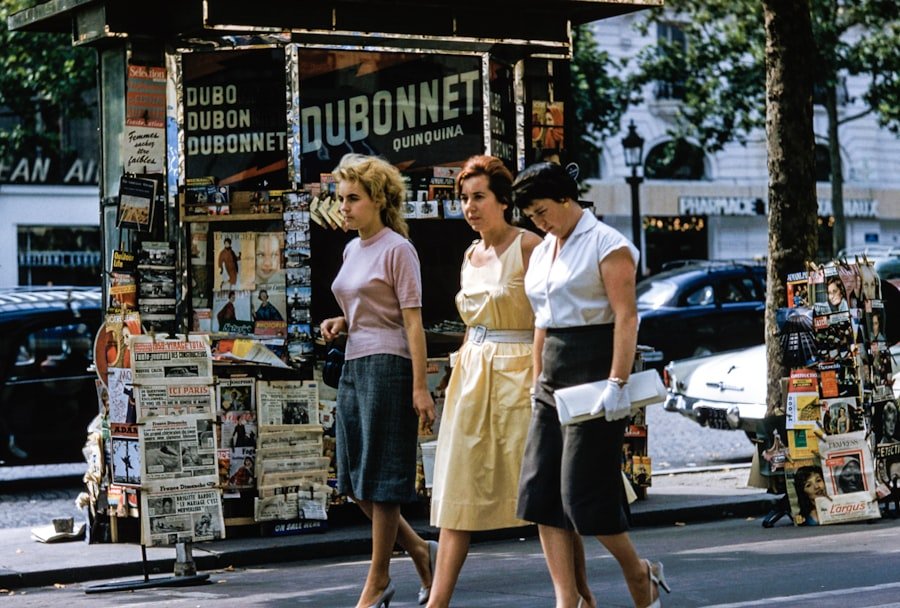
For collectors and enthusiasts, pawn shops present an ideal environment for finding rare items that may not be available through conventional channels. The ever-changing inventory means that each visit can yield new discoveries, making it an exciting adventure for those passionate about collecting specific categories such as coins, stamps, or memorabilia. Unlike traditional retail stores that may focus on mass-produced items, pawn shops often feature unique pieces with history and character that appeal to discerning collectors.
Moreover, many pawn shop owners possess extensive knowledge about their inventory and can provide valuable insights into the provenance and value of items. This expertise can enhance the shopping experience for collectors who seek authenticity and assurance regarding their purchases. Additionally, because pawn shops operate on a different business model than typical retailers—often prioritizing quick sales over long-term inventory—they may be more willing to negotiate prices or offer discounts on items that have been in stock for an extended period.
This flexibility can lead to significant savings for collectors looking to expand their collections without breaking the bank.
Tips for Getting the Best Deals at Pawn Shops
To maximize savings when shopping at pawn shops, consumers should consider several strategies that can enhance their overall experience. First and foremost, it is essential to do some research before visiting a pawn shop. Familiarizing oneself with current market values for specific items can provide leverage during negotiations and help buyers identify fair prices.
Additionally, being aware of seasonal trends can also be beneficial; certain items may be more readily available during specific times of the year when people are more likely to sell or trade them. Another effective strategy is to build rapport with pawnbrokers by visiting regularly and establishing a relationship based on trust and mutual respect. Many pawnbrokers appreciate repeat customers and may offer exclusive deals or discounts to loyal patrons.
Furthermore, being patient and willing to negotiate can lead to better outcomes; if an item is slightly above budget, expressing interest while asking if there’s room for negotiation can often yield positive results. By employing these tactics, shoppers can enhance their chances of finding great deals while enjoying the unique experience that pawn shops have to offer.
The Future of Pawn Shops: Trends and Innovations
As we look toward the future, pawn shops are poised to adapt to changing consumer preferences and technological advancements that could reshape their operations. One notable trend is the increasing integration of e-commerce into the pawn industry. Many pawn shops are beginning to establish online platforms where customers can browse inventory from the comfort of their homes.
This shift not only expands their customer base but also allows them to reach collectors and enthusiasts who may not have access to physical locations. Additionally, innovations such as mobile apps are emerging within the industry, enabling customers to receive instant appraisals or loan estimates based on photos of their items. This convenience appeals particularly to younger generations who value efficiency and technology-driven solutions in their shopping experiences.
As pawn shops continue to evolve by embracing these trends and innovations, they will likely remain relevant in an ever-changing retail landscape while continuing to serve as valuable resources for individuals seeking unique items or financial assistance.
If you’re intrigued by the idea of finding rare collectibles at pawn shops, you might also be interested in understanding more about the overall services that pawn shops offer. A related article, Jak lombard w pobliżu mnie może pomóc, provides valuable insights into how pawn shops operate and the variety of assistance they can offer beyond just buying and selling items. This article is a great resource for anyone looking to learn more about the benefits of utilizing pawn shops for various needs, including securing loans against personal items or finding unexpected treasures.


 Polski
 English
 Español
 Español de México
 Español de Colombia
 简体中文
 Tagalog
 Tiếng Việt
 العربية
 Français
 한국어
 Русский
 Português do Brasil
 हिन्दी
 Deutsch
